
5 Costly ADA Compliance Issues You Might Be Missing

At Risk & Don’t Know It
As a business owner, you're likely aware of the Americans with Disabilities Act (ADA) and its importance. However, some lesser-known compliance issues could put your establishment at risk of costly lawsuits. This blog explores five hidden ADA compliance problems that might be lurking in your business, potentially costing you thousands in legal fees and damages.Improper Door Hardware
Many businesses overlook the importance of door hardware in ADA compliance. Lever-style handles are required instead of traditional doorknobs, as they're easier for individuals with limited hand mobility to operate. The force required to open a door should not exceed 5 pounds. Failing to address these issues could result in discrimination claims and hefty fines.

Inadequate Clear Floor Space
While your business may have wheelchair-accessible areas, it's crucial to ensure there's enough clear floor space throughout. This includes a minimum of 30 by 48 inches of unobstructed space in front of counters, displays, and other essential areas. Neglecting this requirement can lead to accessibility complaints and potential lawsuits.

Non-Compliant Restroom Fixtures
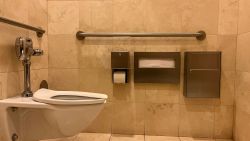
Restroom compliance goes beyond having a designated accessible stall. Sink heights, mirror placement, and even the location of soap dispensers and hand dryers must meet specific ADA guidelines. Overlooking these details can result in discrimination claims and costly renovations.
Inaccessible Sales and Service Counters
Many businesses fail to provide accessible sales and service counters for customers with disabilities. At least one counter must be at least 36 inches high and 36 inches long. Neglecting this requirement can lead to discrimination lawsuits and significant financial penalties.

Lack of Accessible Parking Spaces
While most businesses know the need for accessible parking, many fail to meet all the requirements. This includes having the correct number of spaces based on your lot size, proper signage, and access aisles. Inadequate accessible parking can result in complaints, fines, and potential legal action.