
California CASp Inspection Costs: What Impacts Your Accessibility Audit Price

Why CASp Inspection Costs Vary in California
California CASp inspection costs vary significantly because accessibility evaluations in the state must address both federal ADA standards and California’s stricter Title 24 Chapter 11B requirements. A CASp inspection is not a quick walkthrough — it involves measuring slopes, clearances, restrooms, parking layouts, entrances, and path-of-travel elements across an entire property. The time required depends on property size, layout complexity, age of construction, and the number of accessibility elements present. Report type also affects cost, particularly when owners request a CASp 2 evaluation for Safe Harbor protections. Because every site is different, inspection pricing is typically based on scope, measurement density, and documentation depth rather than a flat statewide rate. Understanding these variables helps property owners budget realistically and compare CASp proposals more effectively.Property Size and Layout Complexity
Square footage plays a role in CASp inspection costs, but layout complexity is often a larger factor. A small property with multiple restrooms, sloped walkways, and tight circulation paths may require more measurements than a larger, open facility. Inspectors evaluate accessible routes, entrances, counters, parking, and maneuvering clearances throughout the site. Multi-tenant spaces, multi-building campuses, and properties with varied elevations typically require additional field time. Because each measurable element adds inspection time, two buildings of similar size can have very different pricing depending on configuration and accessibility features.

Title 24 Chapter 11B Measurement Requirements
California inspections often take longer than standard ADA reviews because Title 24 Chapter 11B introduces stricter measurement requirements. Inspectors must verify slopes, cross-slopes, door maneuvering clearances, restroom dimensions, reach ranges, and accessible parking geometry with precise tolerances. Exterior paths of travel, curb ramps, and uneven surfaces frequently require multiple measurements. These added requirements increase field time and report documentation. Properties with older construction or irregular layouts often require more measurement points, which can increase inspection scope and overall cost range.

CASp 1 vs CASp 2 Report Type
The type of CASp report requested also affects pricing. A CASp 1 evaluation identifies accessibility conditions and provides findings, while a CASp 2 report includes additional documentation and a transition plan that supports Qualified Defendant status. Because CASp 2 reports require deeper analysis, prioritization, and structured documentation, they generally involve more preparation time. Property owners pursuing legal defensibility, phased remediation planning, or transaction due diligence often choose CASp 2 reporting, which can influence the overall inspection scope.

Number of Accessibility Elements
The number of accessibility elements present on a property directly impacts inspection time. Restrooms, accessible parking areas, ramps, doors, service counters, seating areas, and exterior routes each require separate evaluation. Restrooms in particular tend to add time because inspectors measure turning space, fixture placement, clear floor space, and reach ranges. Sloped parking lots, long walkways, and multiple entrances can also expand the inspection footprint. Properties with more measurable elements require additional documentation, which increases report preparation time.
Property Age and Existing Conditions
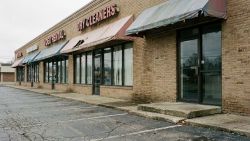
Older buildings often require more extensive evaluation because they may predate current accessibility standards. Legacy construction, altered layouts, and phased remodels can create mixed compliance conditions that require additional measurements. Inspectors may need to verify path-of-travel connections, door clearances, and restroom geometry that differ from modern construction. Properties with previous tenant improvements or partial accessibility upgrades may also require deeper analysis to determine compliance under current Title 24 requirements. These factors can influence the inspection scope and pricing range.
Scheduling, Scope, and Documentation Level
Inspection scope, timeline, and documentation depth also influence CASp pricing. Larger properties, multi-tenant locations, and due-diligence evaluations typically require more detailed reporting. Some inspections focus on baseline accessibility evaluation, while others include phased planning, prioritized findings, or additional documentation. Scheduling factors, such as pre-transaction timelines or remodel planning, can also affect the level of analysis required. Because CASp inspections are tailored to each property, proposals are typically based on measurement scope, reporting needs, and project objectives rather than a single standardized fee.