
ADA Compliance Checklist for Event Venues

Understanding ADA Compliance
For facility managers, meeting ADA (Americans with Disabilities Act) standards is vital. Complying means ensuring your event venue is accessible to everyone, regardless of ability. ADA compliance is not just about avoiding penalties—it's about welcoming every guest with dignity and respect. Facility managers should stay updated on current regulations to avoid legal issues and promote inclusivity. Reviewing the basics of compliance is the first step toward making all spaces usable by people with varying needs and abilities.Accessible Entrances & Routes
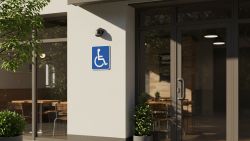
One of the primary ADA requirements is providing accessible routes throughout your venue. Entrances should be step-free or equipped with ramps and automatic doors. Within the facility, pathways must be wide enough for wheelchairs (at least 36 inches), with clear signage directing guests to accessible features. Regularly inspect ramps for proper slope and handrails. Don't forget accessible restrooms, elevators, and seating areas — these elements ensure guests can move safely and independently through your space.
Essential Facility Features
Key features such as restrooms, seating, and service counters must follow ADA guidelines. Restrooms require accessible stalls, grab bars, and sinks at suitable heights. Designate and clearly mark wheelchair- and companion-friendly seating. Service counters should accommodate guests seated in wheelchairs, with an accessible section at 36 inches high. Consistently evaluate lighting, signage, alarms, and other sensory tools to support guests with vision or hearing impairments as part of your compliance checklist.
Staff Training and Guest Assistance
Proper training ensures staff understand ADA requirements and know how to assist guests respectfully. Staff should know the location of all accessible features and how to operate equipment like lifts or assisted listening systems. Encourage a proactive approach by teaching how to communicate with guests about accessibility needs. Having an accessibility point of contact for each event gives guests confidence and assures them their needs are met, fostering a positive event experience.

Ongoing Evaluations & Updates
ADA compliance isn’t a one-time task—it’s an ongoing commitment. Facility managers should conduct regular walk-throughs, update checklists, and respond to guest feedback to identify new barriers. Laws and standards evolve, so reviewing guidelines annually is essential. Implement changes promptly, document upgrades, and maintain open communication with staff and guests. Staying proactive creates a truly welcoming and compliant environment for every event and attendee.